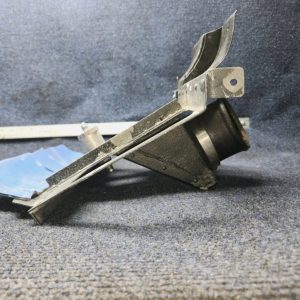
The Cessna 172RG Rear RH Baffle Assembly
The Cessna 172RG Rear Right-Hand Baffle can support airflow management, while the Cessna 172RG Engine Baffle and Cessna 172RG Cooling Baffle descriptions should not imply universal interchangeability.
Whether described as a Cessna Cutlass Engine Baffle, Cessna 172RG Baffle Assembly, Rear RH Engine Baffle, or Aircraft Engine Baffle Assembly, precise configuration verification remains essential.
A Cessna Engine Cooling Baffle, Cessna 172RG Engine Compartment Parts package, Aircraft Cooling Air Baffle, and Cessna 172RG Airflow Baffle contribute to controlling how cooling air moves around the installed engine.
A Cessna Aircraft Engine Baffle can form part of an Engine Cooling Baffle Assembly, while a Cessna Cutlass Cooling System Part must correspond with the installed aircraft and engine configuration.
Key Identification Details for the Cutlass Baffle
Every digit, dash, revision, or associated marking should be recorded because similar-looking baffles can differ in contour, holes, brackets, seals, and eligible applications.
The buyer should determine whether the assembly is original, repaired, refurbished, fabricated, removed from an aircraft, or offered as an incomplete section.
Cessna 172RG Engine Temperature Management
System-level inspection supports more effective engine-compartment maintenance.
A replacement component should restore the intended geometry without creating interference with cylinders, hoses, wiring, controls, exhaust parts, or cowling.
Avoiding Incorrect Baffle Substitution
A rear right-hand baffle should not be advertised as suitable for every Cessna 172 model merely because the aircraft share a related airframe family.
A component that fits one aircraft approximately may still interfere with another installation.
Understanding Formed Aluminum Cooling Panels
Formed contours help the baffle fit around the engine and connect with surrounding cooling-system components.
The baffle should be supported correctly during storage and shipment to prevent bending.
Engine Baffle Condition Evaluation
A detailed inspection provides stronger evidence than a general good-condition description.
Qualified evaluation helps determine whether repair, replacement, or rejection is appropriate.
Managing Gaps Around the Engine Baffles
Old seals may be useful as templates even when they are unsuitable for continued service.
Excessively stiff or incorrectly positioned material can click here interfere with cowling installation or fail to seal properly.
Corrosion Inspection and Prevention
Aggressive sanding or grinding can remove structural material and complicate assessment.
The cause of contamination should be corrected before a replacement baffle is installed.
Maintaining Secure Baffle Connections
Fastener holes should be checked for elongation, cracking, burrs, corrosion, double drilling, fretting, and evidence of repeated removal.
Forced alignment can preload thin sheet metal and contribute to recurring cracks.
Supporting Components Around the Rear RH Baffle
A rear-baffle replacement may require adjacent baffles, seals, brackets, clips, fasteners, retainers, supports, and cowling-related components.
Parts should be labeled and segregated according to condition and inspection status.
Baffle-Related Temperature Problems
Unexpected engine temperatures should be investigated through a structured review of instrumentation, engine condition, airflow, baffles, seals, cowling, operation, and environmental factors.
The condition of cylinder fins, oil cooler airflow, hoses, ignition timing, induction, exhaust, and other engine systems may also influence operating temperatures.
Rear RH Baffle Replacement Versus Repair
Repair should not be selected only because it appears less expensive initially.
Repairs should preserve the intended contour, mounting locations, clearances, seal attachment, and airflow boundary.
Cessna Cutlass Engine Parts for Sale
Damaged or incomplete baffles may still have repair-candidate, restoration, pattern, or reference value when described accurately.
Accurate commercial information supports responsible Cessna 172RG Replacement Baffle transactions.
Aircraft Engine Baffle Pre-Purchase Guide
The buyer should request enough information for qualified maintenance personnel to evaluate the component before purchase.
- Confirm the complete part number, donor-aircraft model, donor serial number, rear right-hand position, engine configuration, modification status, and available traceability.
- Inspect the baffle for cracks, corrosion, pitting, dents, buckling, distortion, elongated holes, fretting, broken brackets, damaged flanges, and previous repairs.
- Confirm the invoice, payment protection, packaging method, shipping insurance, inspection period, return conditions, and stated component status.
Protecting Cessna Engine Baffles in Transit
Loose seals and hardware should be bagged, labeled, and secured separately.
During storage, the component should remain supported in its natural shape rather than leaning under loads that may cause distortion.
Professional Engine Baffle Installation
Installation should be completed by appropriately qualified aviation maintenance personnel using applicable aircraft, engine, parts, and maintenance information.
Protective finishes and seal materials should be compatible with the intended engine-compartment environment.
Ground-operation observations should be completed through suitable procedures without promising a specific temperature improvement.
Preventive Engine Baffle Maintenance
Long-term maintenance includes periodic inspection of the baffle, seals, fasteners, brackets, adjacent panels, cowling contact areas, protective finishes, and corrosion-prone locations.
Recurring cracks or loose attachments should prompt investigation of vibration, alignment, and supporting hardware.
Selecting a Cessna 172RG Cooling Component
P/N 2455038-2 may suit aircraft owners, maintenance facilities, repair organizations, restoration specialists, and parts suppliers seeking a correctly identified engine baffle.
Aviation maintenance personnel should evaluate the assembly before repair, alteration, installation, or operational release.
Whether buyers need a Cessna 172RG Baffle Assembly, Rear RH Engine Baffle, Aircraft Engine Baffle Assembly, or Cessna Engine Cooling Baffle, aircraft-specific compatibility should be verified.
With verified identity, suitable material condition, accurate geometry, professional installation, organized documentation, and routine inspection, the baffle can provide dependable long-term value.